
 There’s a shift happening right now.
Not just in marketing. Not just in software. In how businesses are built.
And the people who understand this early will have a serious advantage.
Because instead of buying tools, hiring developers, or waiting months for solutions, they will design their own.
That’s what it means to become your own AI Architect.
Why You Should Become Your Own AI Architect
Most business owners are still using AI like a toy.
They ask it to write a social post. Maybe an email. Occasionally a bit of code.
Useful. But surface-level.
Being an AI Architect is different.
It means using AI to design systems that actually run parts of your business.
Here’s why that matters.
1. Speed
What used to take weeks can now be done in hours.
2. Cost Savings
No need to rely on developers or expensive integrations for every small task.
3. Custom Fit
You build systems around your business. Not the other way round.
4. Control
You can adapt and improve instantly without waiting on someone else.
5. Competitive Advantage
Most people are still “using tools”. AI Architects are building systems.
The Wrong Way Most People Use AI
This is where most people go wrong.
They say:
“Make me a thing”
- Make me a chatbot
- Build me a funnel
- Create me an automation
And what they get is something that:
- doesn’t quite fit
- breaks easily
- never gets fully used
Because there was no thinking behind it.
No outcome. No structure. No plan.
AI is powerful. But it needs direction.
The Right Way to Think Like an AI Architect
This is where everything changes.
It’s not about being technical.
It’s about thinking properly. Structured thinking, outcome-driven thinking, with a bit of creativity.
Here’s the process.
Step 1. Start With the Outcome
Before you touch AI, get clear on this:
What do you actually want to achieve?
Not:
- “I want an integration”
But:
- “I want my CRM to automatically update when a patient books surgery”
Clarity here is everything.
If you get this wrong, everything downstream breaks.
Step 2. Let AI Map the Steps
Now bring AI in.
Not to build. To think.
“Here is the outcome I want. Break this down into the exact steps required to achieve it.”
Now AI becomes a strategist.
It will outline:
- inputs
- triggers
- actions
- dependencies
You are no longer guessing. You are working from a plan.
Step 3. Let AI Interview You
This is the part most people skip.
Ask AI:
“Interview me about my current tech stack so you can design this properly.”
It will ask things like:
- What CRM are you using?
- What booking system do you use?
- Do you have API access?
- What integrations already exist?
This ensures the solution fits what you already have.
Step 4. Generate a Custom Plan
Now you have:
- the outcome
- the steps
- your existing tools
Next:
“Create a detailed implementation plan using my current setup.”
Now AI starts acting like a proper architect.
You’ll get:
- system flow
- tool usage
- logic paths
- edge cases
Step 5. Build the Blueprint
Now you go deeper.
Turn the plan into a build-ready blueprint.
This should include:
- exact prompts
- workflow logic
- trigger conditions
- messages and scripts
- fallback scenarios
You’re not just building something.
You’re designing a system.
Step 6. Let AI Build It
Now, and only now, you execute.
Because you are no longer guessing.
You are following a blueprint.
AI can now:
- write workflows
- generate code (if needed)
- structure the integration
- create the messaging
This is where speed really kicks in.
A Real Example. Private Surgeon, No Tech Background
Let me show you what this looks like in the real world.
I have a client who is a private surgeon.
Not technical. Not a developer. Just focused on running his practice.
He uses Semble to manage patient bookings and surgeries.
He also uses HighLevel as his CRM.
His outcome was simple:
“When a patient books surgery in Semble, I want the opportunity in HighLevel to automatically update to ‘Won’.”
Simple outcome.
But traditionally, not a simple task.
The “Old Way”
We explored the usual routes.
Semble offered to build the integration.
Cost was around £800.
Problem. Their developers were too busy.
We then looked at freelancer platforms like PeoplePerHour.
Slow progress. Back and forth. No real momentum.
We could have got there.
Eventually.
The AI Architect Approach
Instead, we tried something different.
I had recently tested Lovable.dev on a small project.
So I told him:
“Just tell it what you want. Treat it like ChatGPT. Let it figure it out.”
No technical spec.
No developer brief.
Just the outcome.
The Result
Later that evening, I got a message.
He’d done it.
In 15 minutes.
He had created an API connection between Semble and HighLevel.
No coding background.
No developer.
No £800 bill.
Just clear thinking and the right approach.
What Actually Happened Here
This wasn’t luck.
This was the AI Architect method in action.
He:
- Defined the outcome
- Let AI interpret the problem
- Allowed AI to map and build the solution
That’s it.
The Extra Step Most People Forget
Once you’ve built something like this, there’s one more step most people completely overlook.
Get AI to document it.
“Document everything you just built in a clear, structured way so I can understand, reuse and improve it.”
This is where things level up again.
Because AI will now create:
- a system manual
- step-by-step instructions
- an explanation of how everything works
- the logic behind the decisions
You’re not just left with something that works.
You now have something you understand.
Something you can reuse.
Something you can improve.
And if you ever need to hand it over in the future, you’re not starting from scratch.
Without this step, you’ll forget how it works in 30 days.
With it, you’ve created a proper business asset.
Final Thoughts
You don’t need to be technical to do this.
You don’t need to learn coding.
You just need to think differently.
Most people use AI to do tasks.
AI Architects use AI to design systems.
And as you’ve just seen, that can turn a problem that costs £800 and weeks of waiting into a 15-minute solution.
Written by Julian Mills – HighLevel consultant and marketing strategist. About Julian Mills.

 Introduction
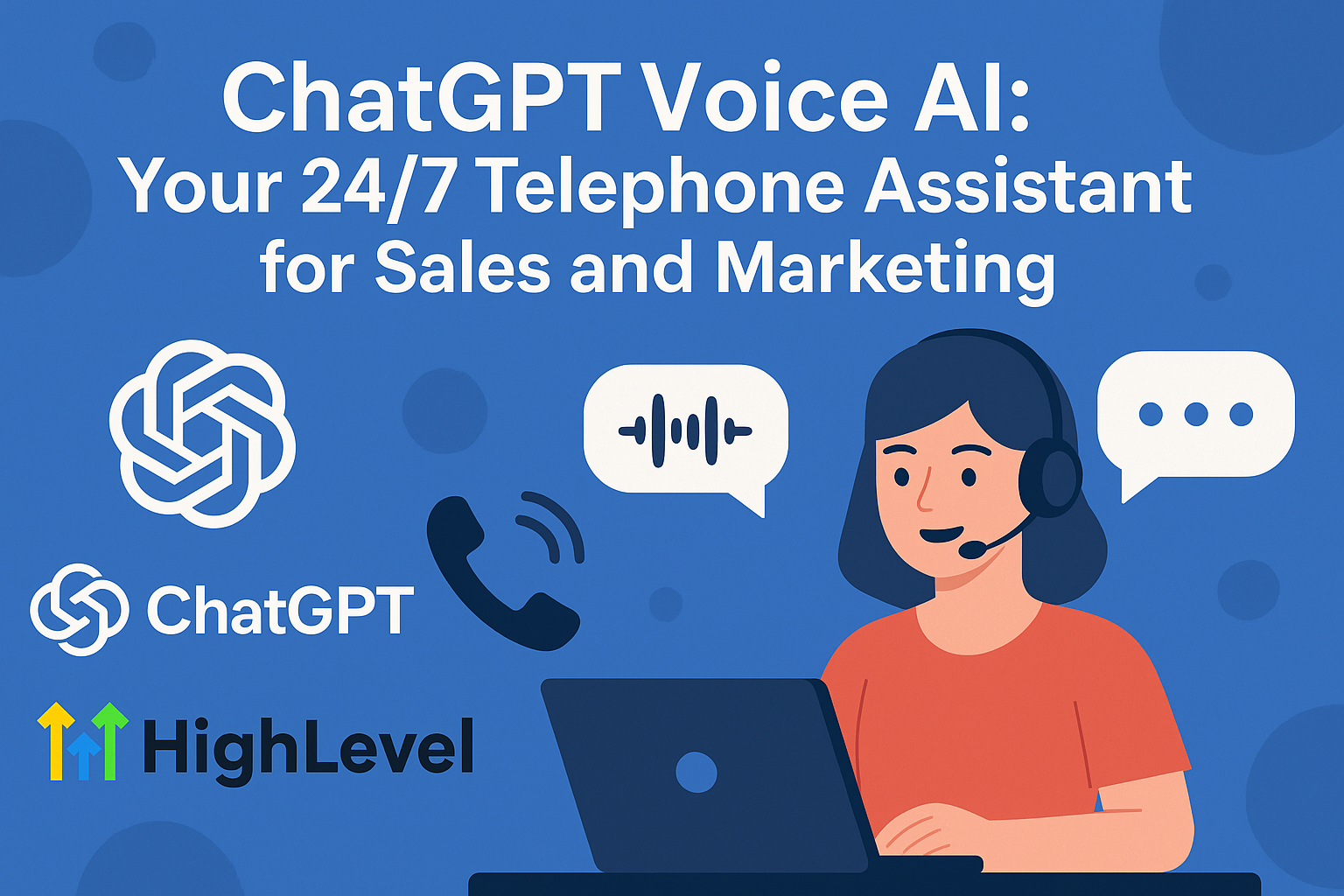
 When someone calls in, they are greeted by Jenny.
 If the caller wants to take things further, Jenny hands the call over to Clare.
 This is not just limited to phone calls.


 Imagine this.
 Imagine having a receptionist and sales assistant who never sleep, never calls in sick, and never misses a lead.Assistants who answers and makes your phone calls, has real conversations, books appointments, qualifies prospects, and even calls leads back – all automatically.
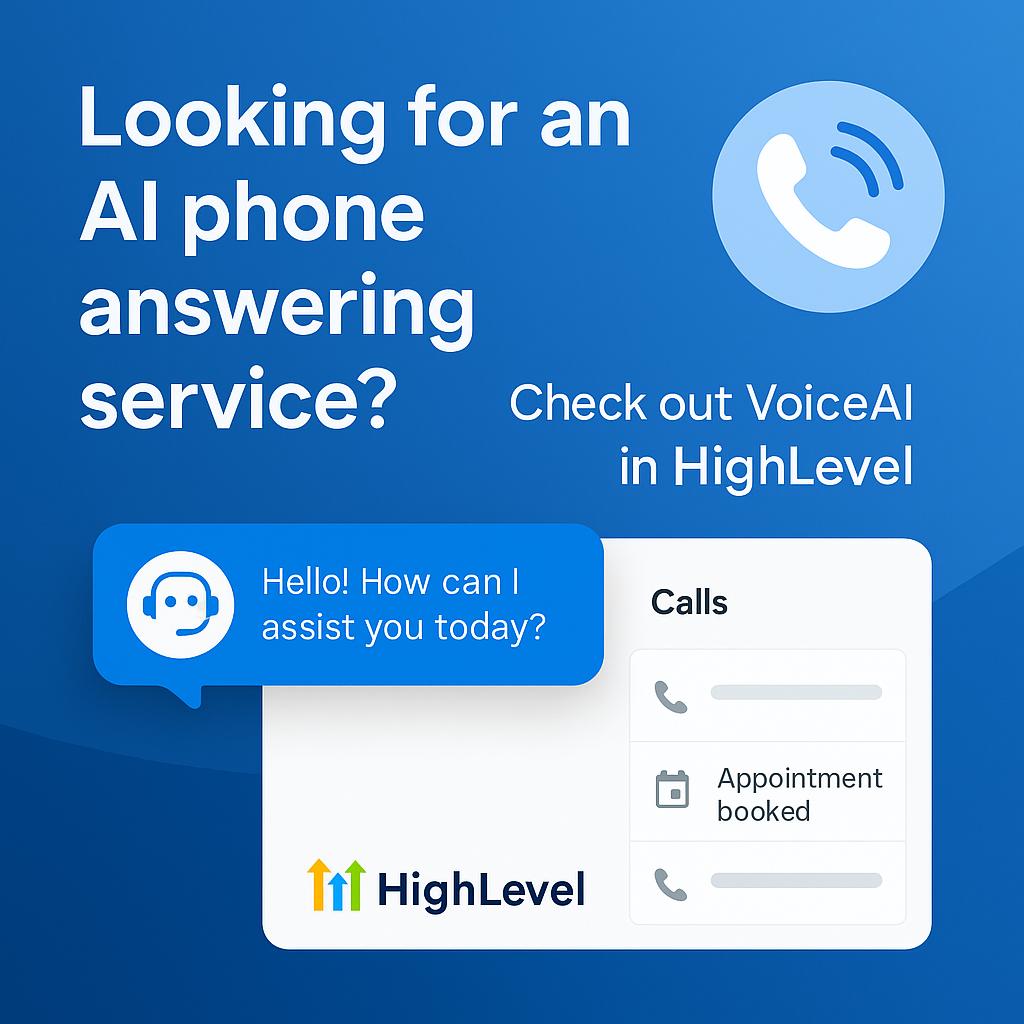
 If you’re a small business owner, chances are you’ve missed more than a few calls. And with every missed call, there’s the potential for lost business — whether it’s a new enquiry, an appointment request, or a returning customer with a time-sensitive need.

 As an Entrepreneurs Circle Certified Marketing Coach, I’ve long encouraged my clients to set up a Knowledge Centre—a central hub of answers to the questions your prospects and customers ask again and again.
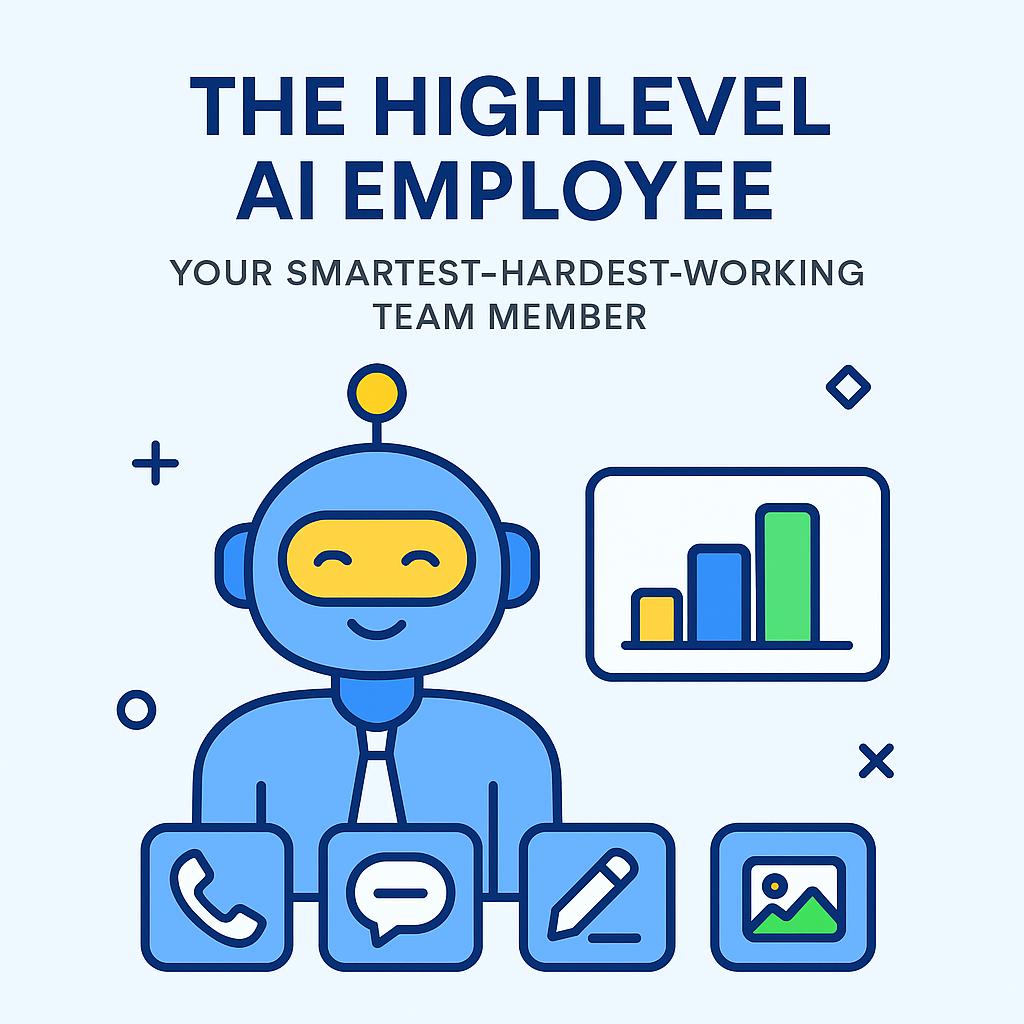
 When you’re growing a business, time is your most valuable asset—and your biggest bottleneck. What if you could clone your best team member to handle leads, follow-ups, content, and customer service—24/7?